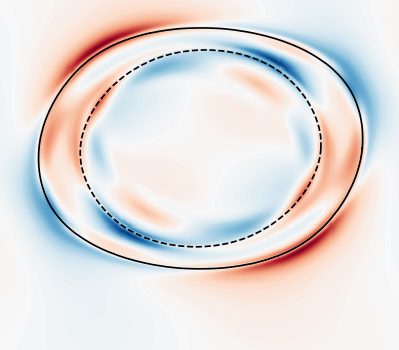
Physics AI for materials
Design better materials.Start from within.
Connect atomic interactions, evolving defects and material performance. Turn that understanding into faster predictions for composition, processing and engineering design.
From defects to designThe difference starts inside.
The same composition can become very different materials.
Processing changes atomic arrangements, defects and grains. These internal changes shape how a material deforms and accumulates damage—and create opportunities to design it better.
Connect the inside to the design →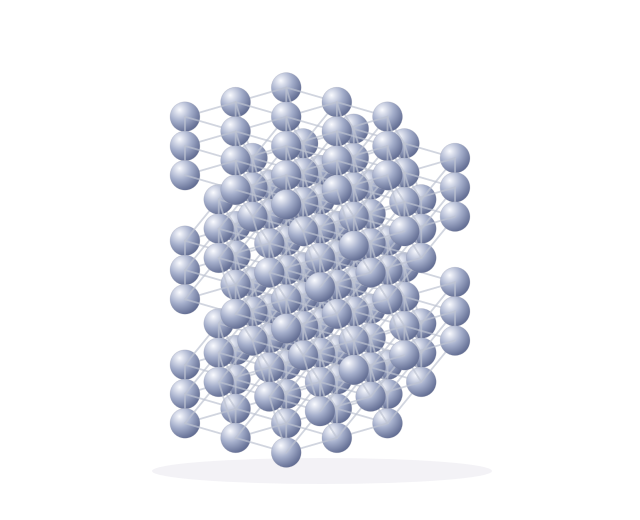
Atoms
Interactions set the energy
Learn how atomic layers interact and move.
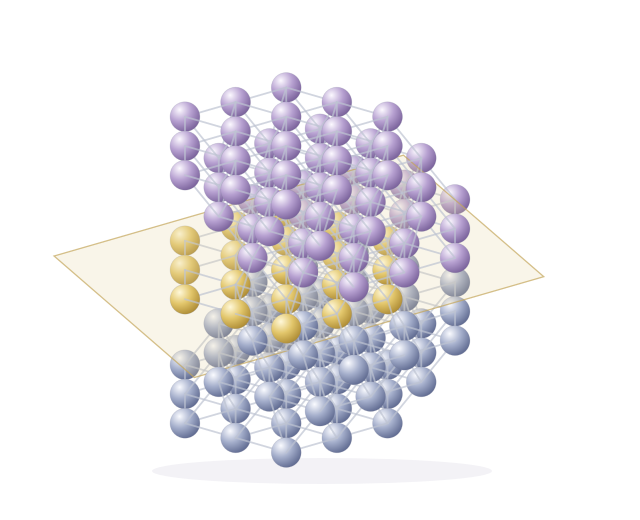
Defects
Small structures, collective behavior
Follow dislocations, twins and interfaces as they evolve.
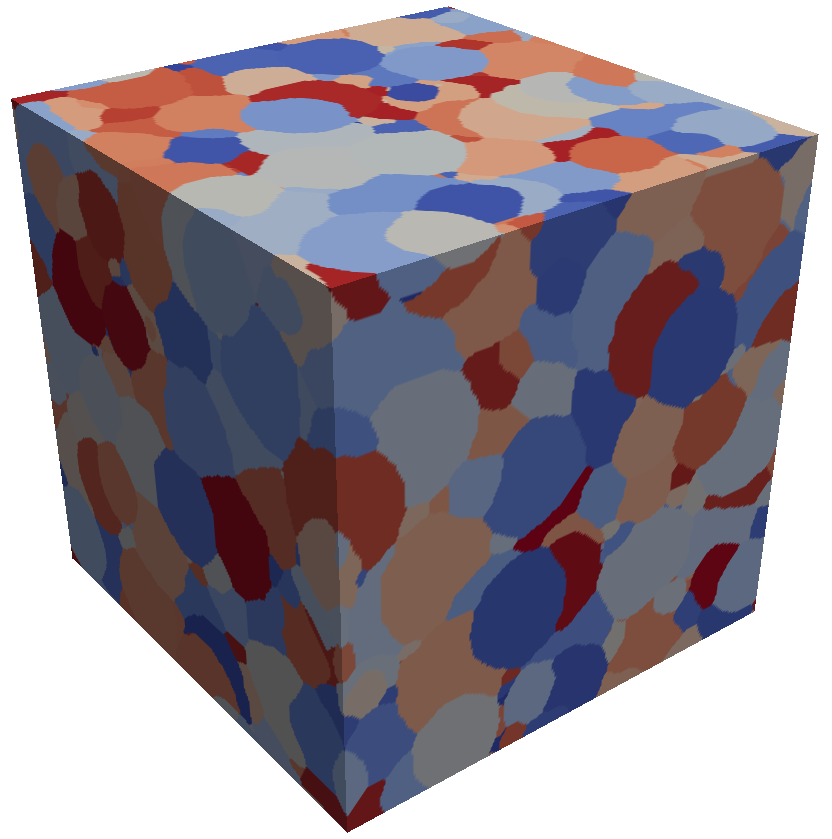
Microstructure
Processing leaves an internal history
See how grains reorganize during deformation.
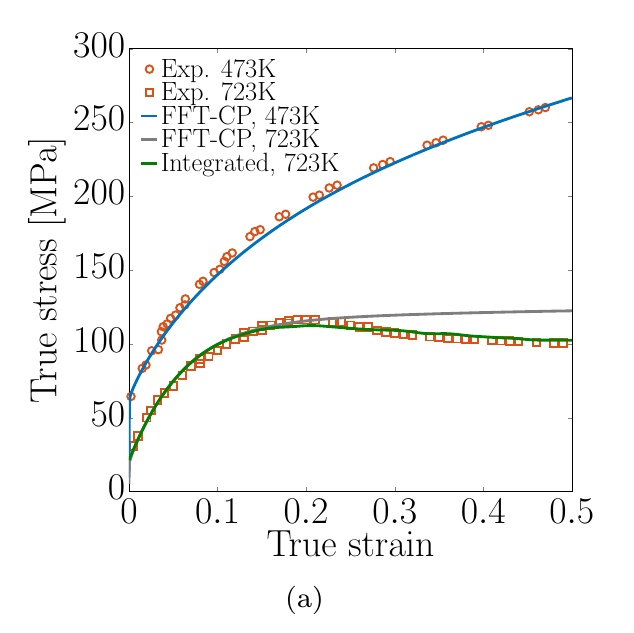
Performance
The response becomes a design input
Connect evolving states to material behavior and better choices.
Physics AI. Built for materials.
Turn physical knowledge into reusable prediction.
High-fidelity simulations reveal material behavior. AI learns its patterns. Together, they turn repeated calculations into reusable models for exploring materials and accelerating engineering workflows.
Material & physics data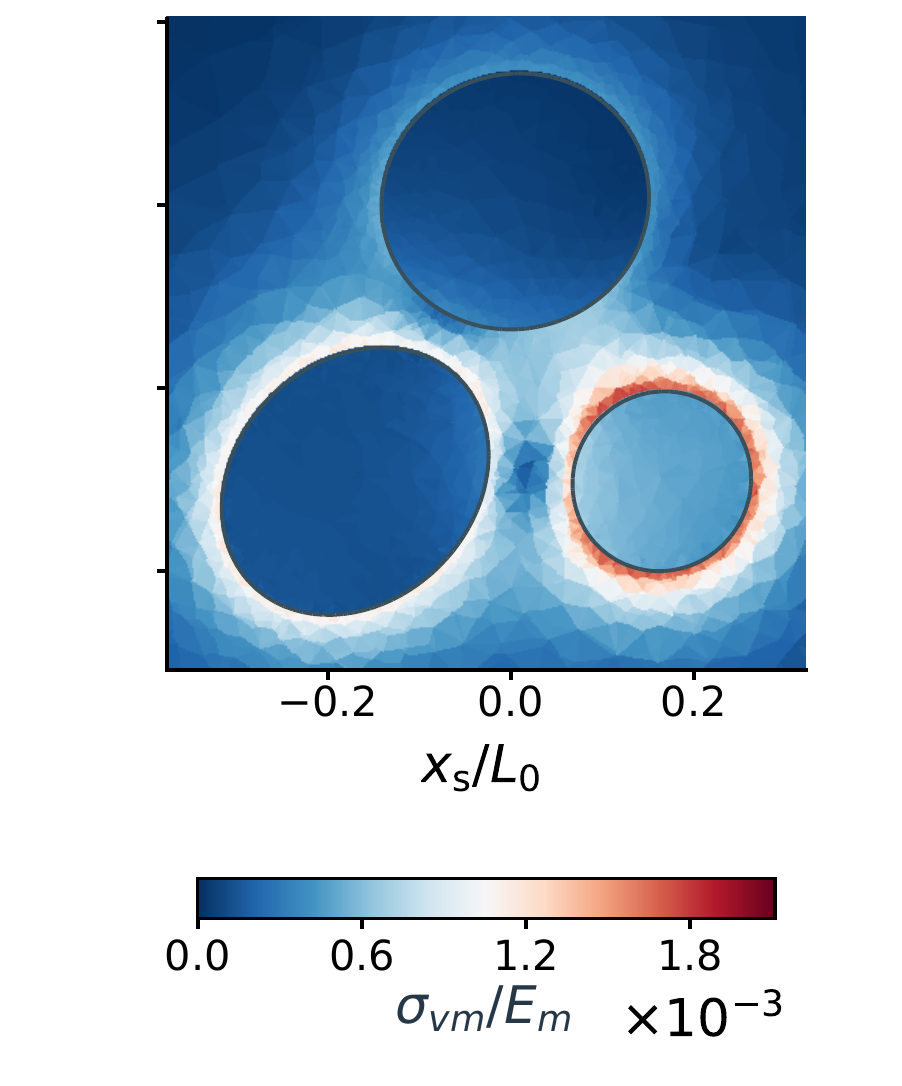 Prediction & solver use
Resolve the physics. Accelerate prediction.
Numerical computing and learned models play complementary roles: understanding mechanisms, building data and making the next prediction faster.
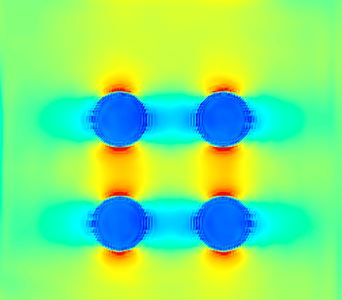
Faster predictions. Wider possibilities.
From evolving microstructures to large meshes, turn computational advances into room for more design exploration.
Faster evolution prediction
64-step phase-field prediction · A100 versus single-core CPU FEM.
Explore the capability ↗Phase-field prediction error
Mean endpoint field error over three initial states, relative to FEM.
Explore the capability ↗Volume mesh points
MPTT prediction across a full three-dimensional Ahmed case.
Explore the capability ↗See the material. See the possibility.
Explore what Physics AI and numerical computing make visible—from atomic interactions to fields inside a material.
Explore visual examples ↗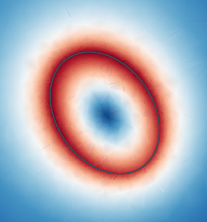
Predict inside complex structures.
Connect local interfaces, changing meshes and large-scale fields.
Learn directly from physical laws.
Learn predictions from physical laws when simulation samples are costly.
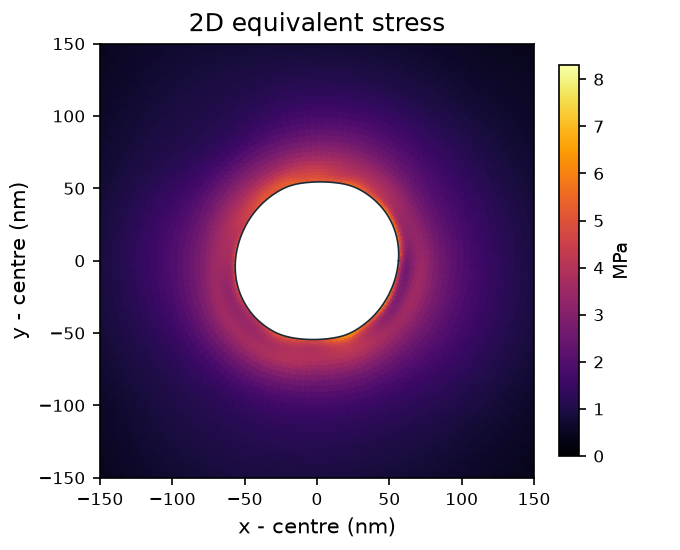
Follow defects as they change.
Explore moving boundaries and their coupled physical states.
Take atomic information further.
Bring atomic-layer interactions into collective defect evolution.
What will your next material do?
Bring your composition, processing or performance challenge. Let’s connect it to a materials computing approach.
Let’s talk materials →