Applications
A clearer path to better materials.
Connect material choices to performance, explore behavior through virtual testing, and make repeated engineering calculations faster.
Put material choices into the prediction.
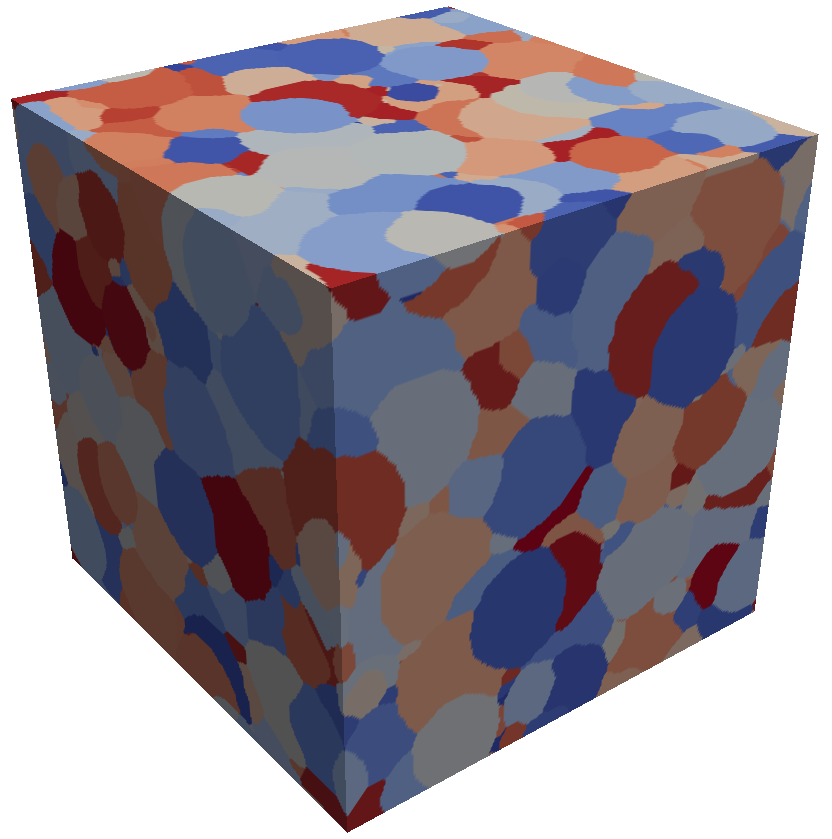
A material’s behavior carries the history of its composition and processing. Modeling atoms, defects and grains helps connect the choices you can change to the properties you want.
Explore which internal states support your mechanical, damage and fatigue objectives—and use that insight to guide the next material study.
Explore the materials platform →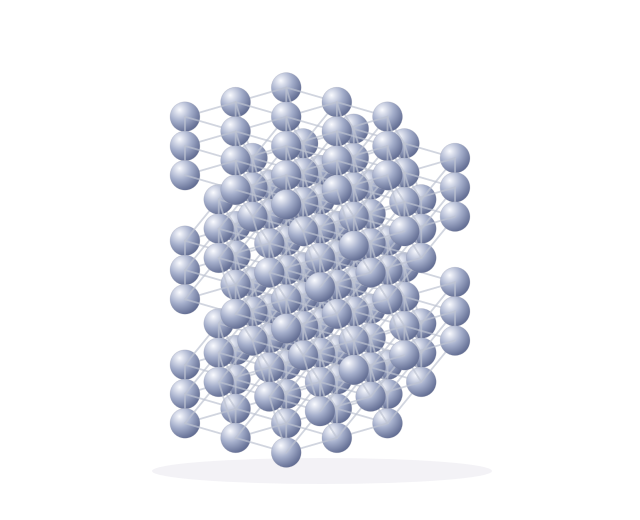
Explore the behavior. Focus the next experiment.
See how grains reorganize, interfaces transfer load and cavities change shape. Numerical models and learned predictors make internal processes visible as material states evolve.
Compare deformation, local stress and damage mechanisms to identify useful directions for testing and design.
Explore material behavior →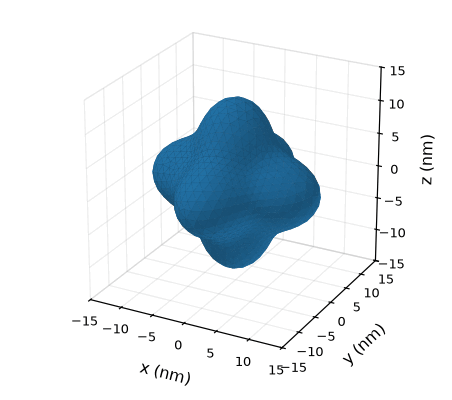
Keep exploring. Spend less time solving.
Surrogate models reuse what has been learned to predict fields and evolution. They can also provide a starting field for FEM, followed by numerical correction within the solver workflow.
GPU-accelerated numerical computing supports the high-fidelity work behind the models and the parameter studies around them.
Explore prediction and FEM acceleration →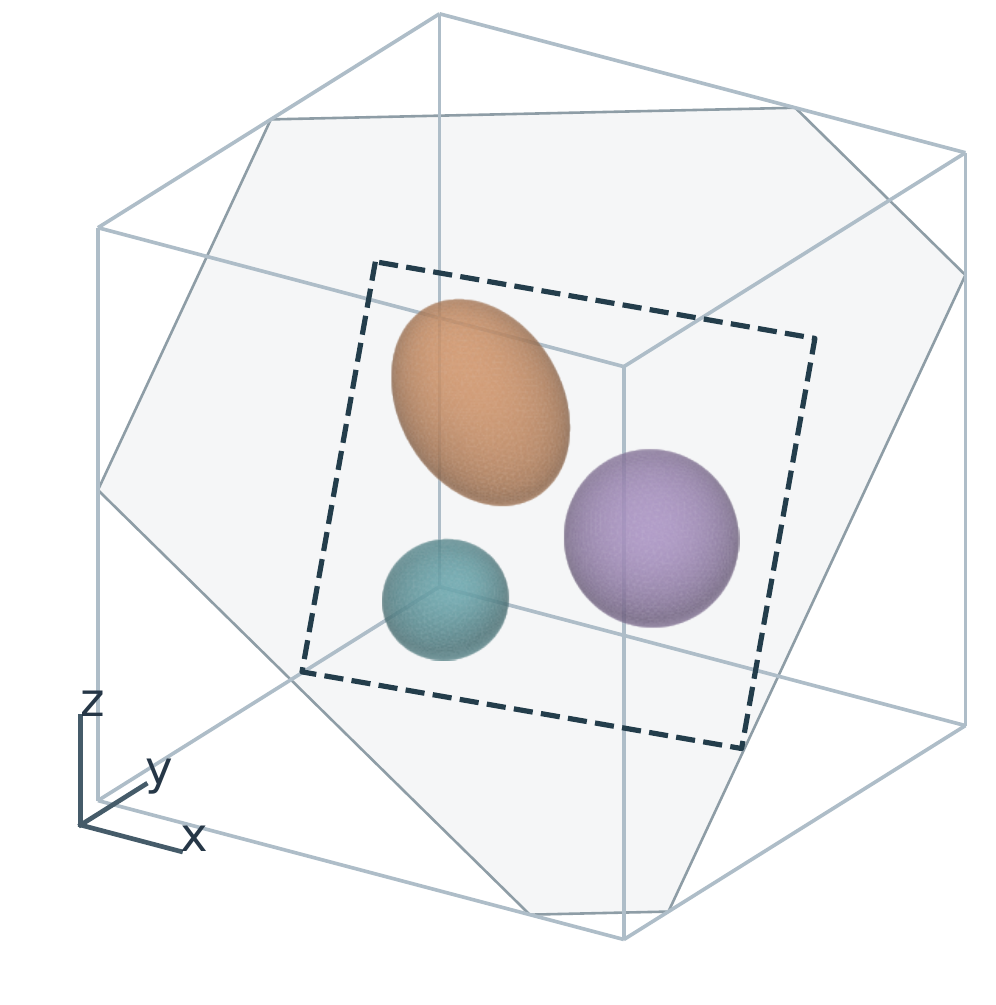
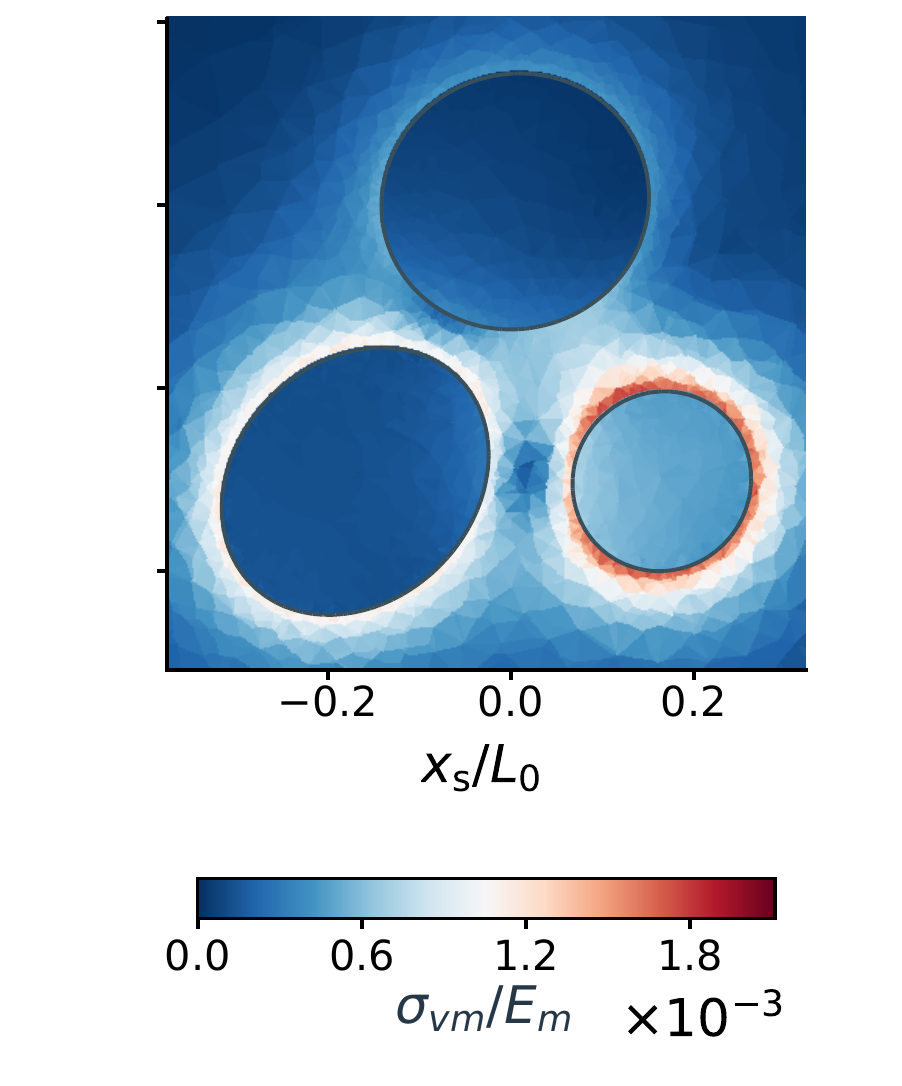
From material structure to a predicted field
What is slowing your material development?
Start with the material, the decision and the performance you want to improve.
Let’s talk materials →