Pair numerical computing with learned models to explore material behavior. Resolve the mechanisms, learn reusable responses, and bring prediction into the engineering workflow.
High-fidelity computing
Follow internal evolution.
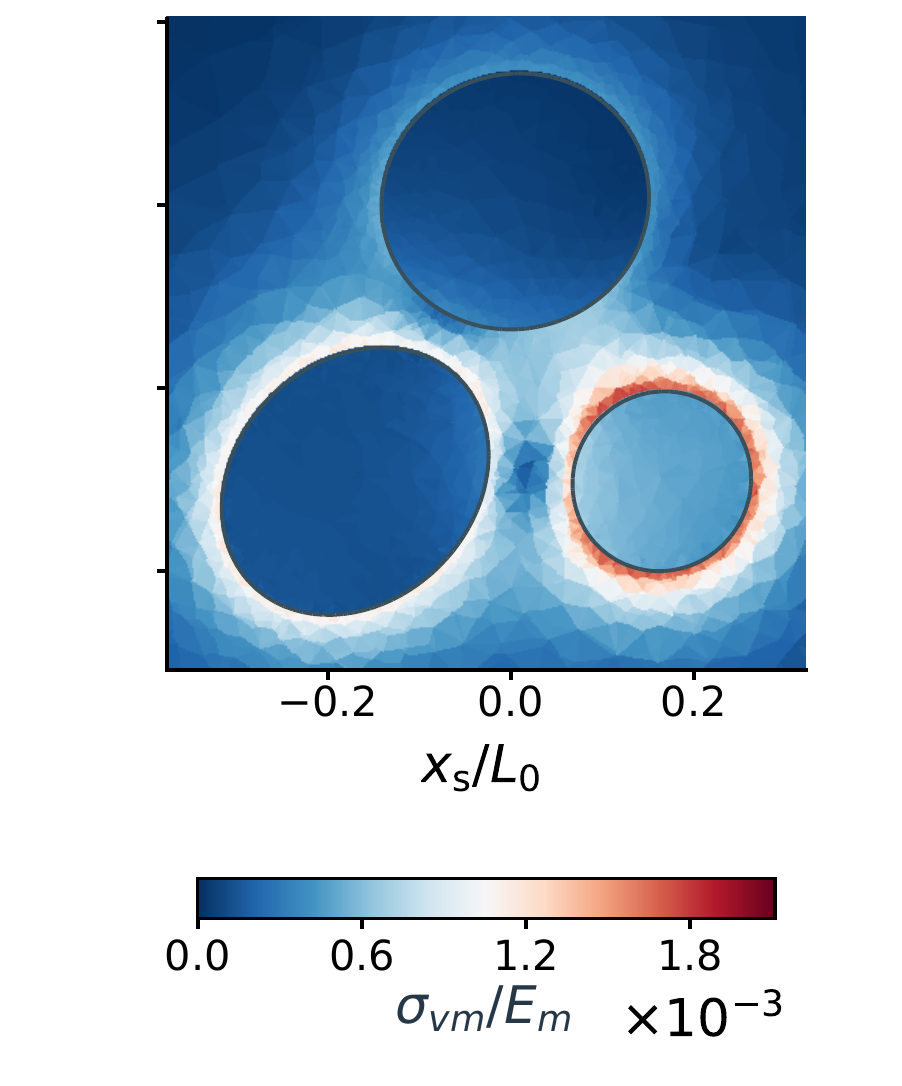
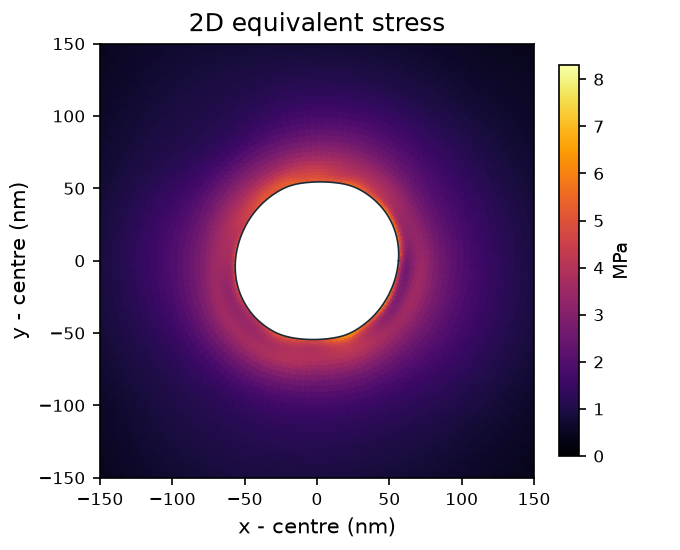
Solve the material response.
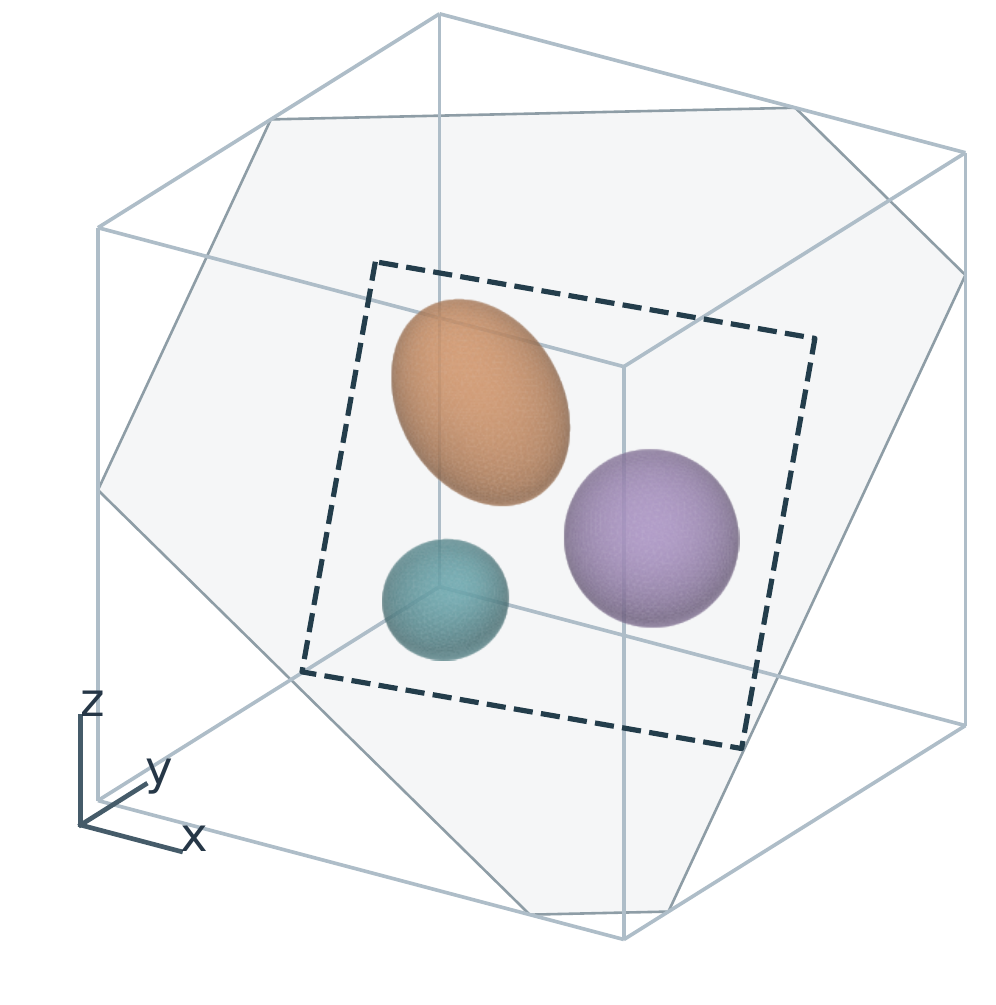
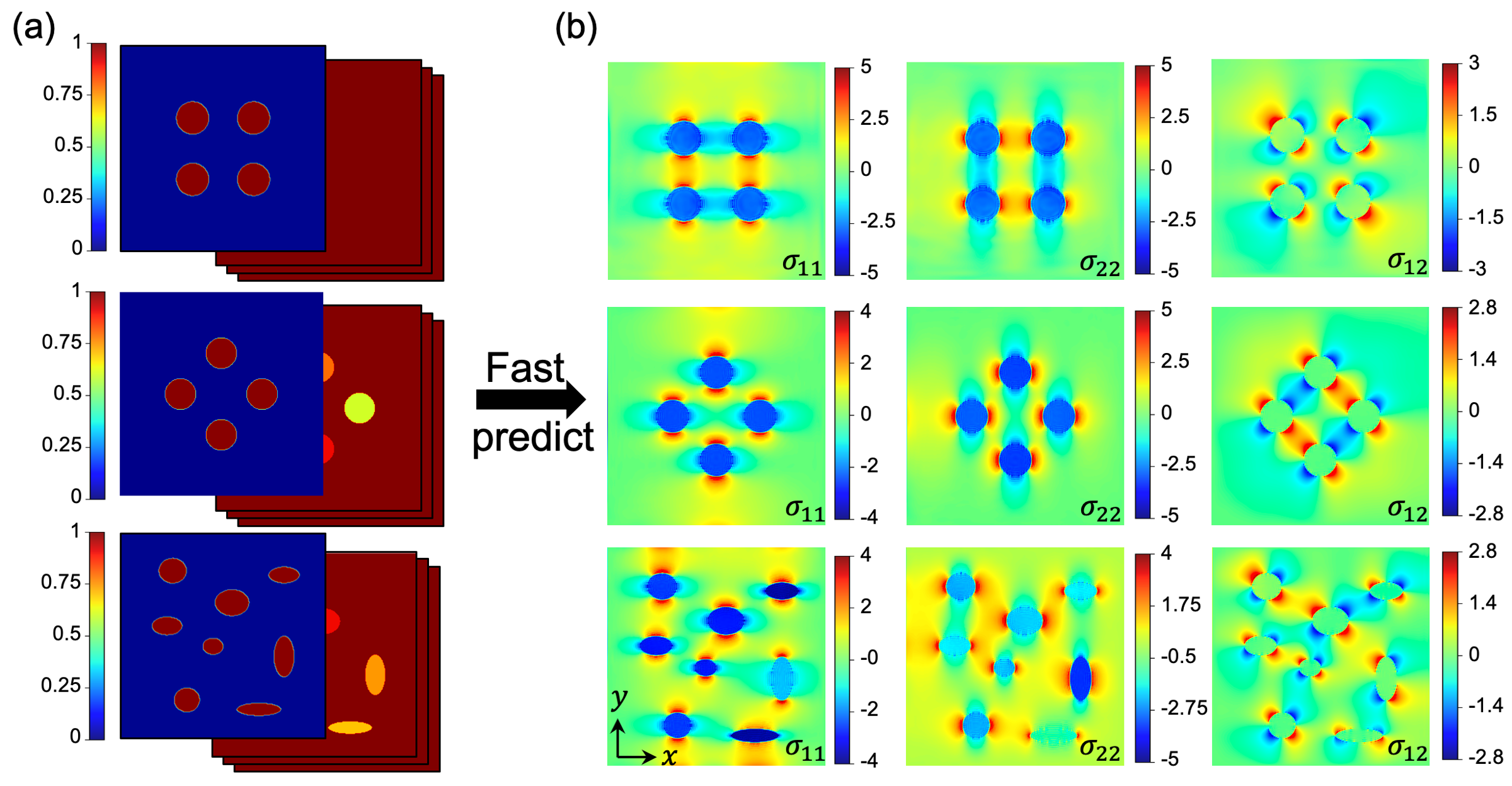
Follow how structures change, how defects move and how materials respond. GPU-accelerated computing helps explore more conditions and build data for Physics AI.
Prediction and numerical solution
can work together.
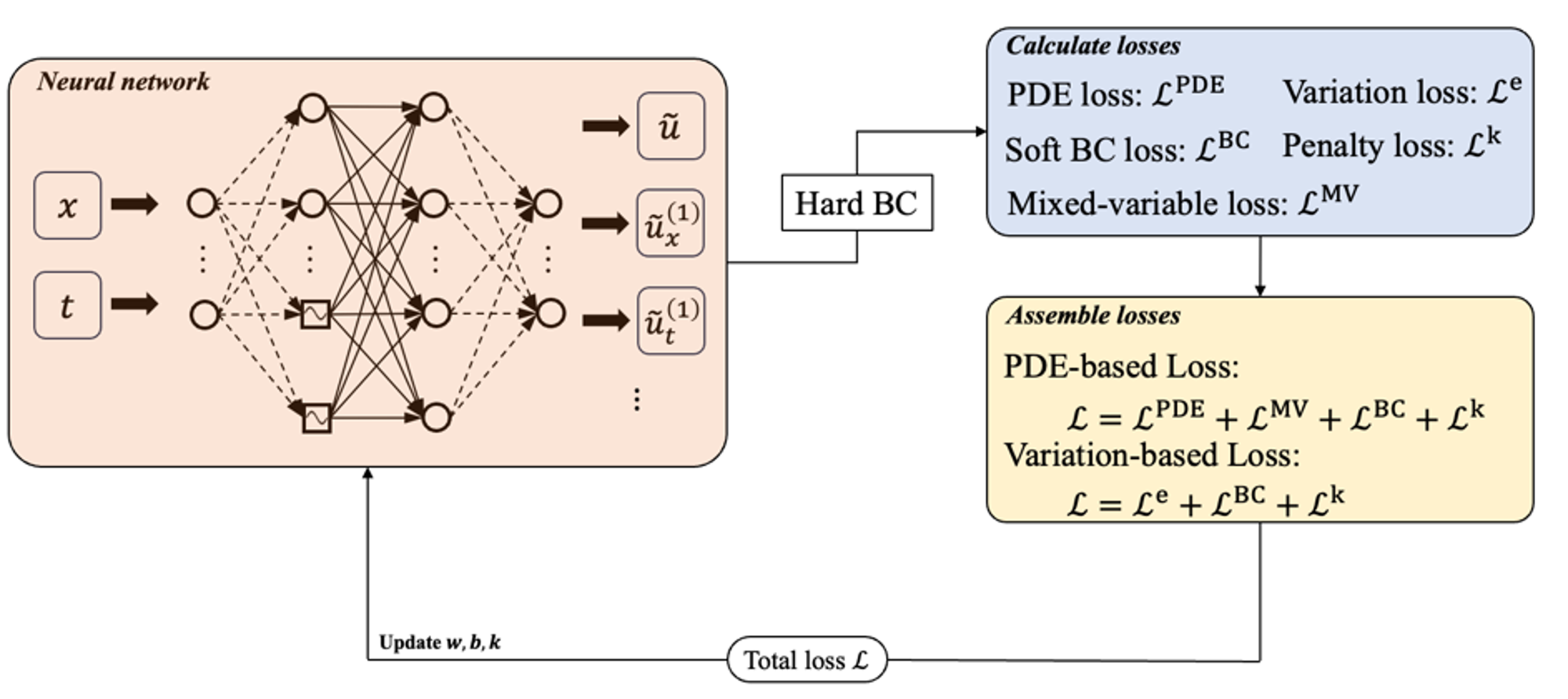
Use a surrogate to initialize FEM, with numerical correction controlling solver accuracy. Bring data generation, learning and solver use into one workflow.
Carry atomic-layer interactions
into collective defect evolution.
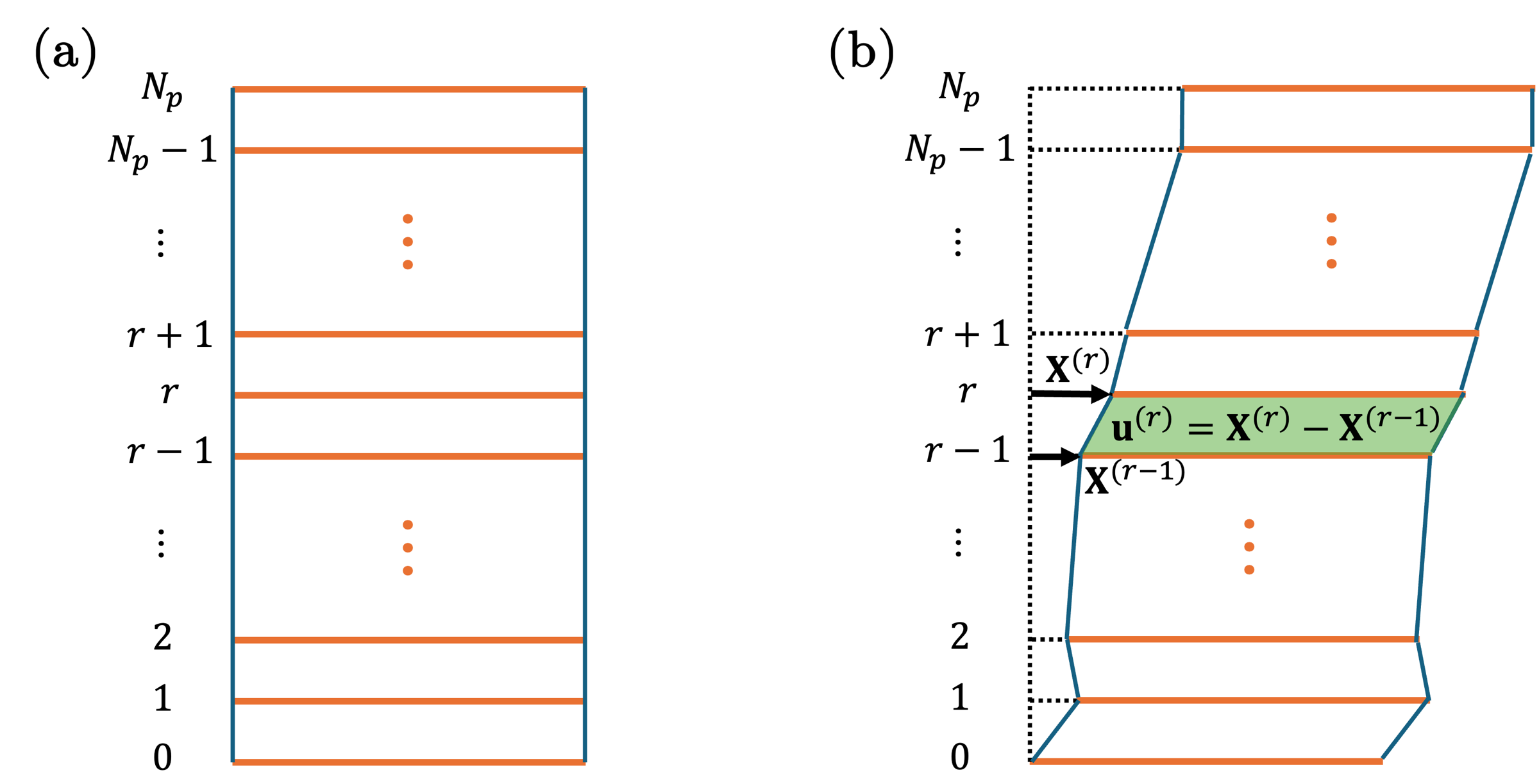
NN-MGSF learns coupled atomic-layer energy. DFD combines its gradients with long-range elasticity to study twin nucleation and growth. The case shows how a learned model and numerical evolution extend the scale of atom-informed calculation.
 Explore the capability ↗