Atomic information
Learn the interactions that drive local slip.
NN-MGSF / DFD
Atomic energy models + defect dynamics
Dislocations and twins take part in material deformation. Bring learned atomic-layer interactions into defect dynamics to follow how these structures activate, move and grow together.
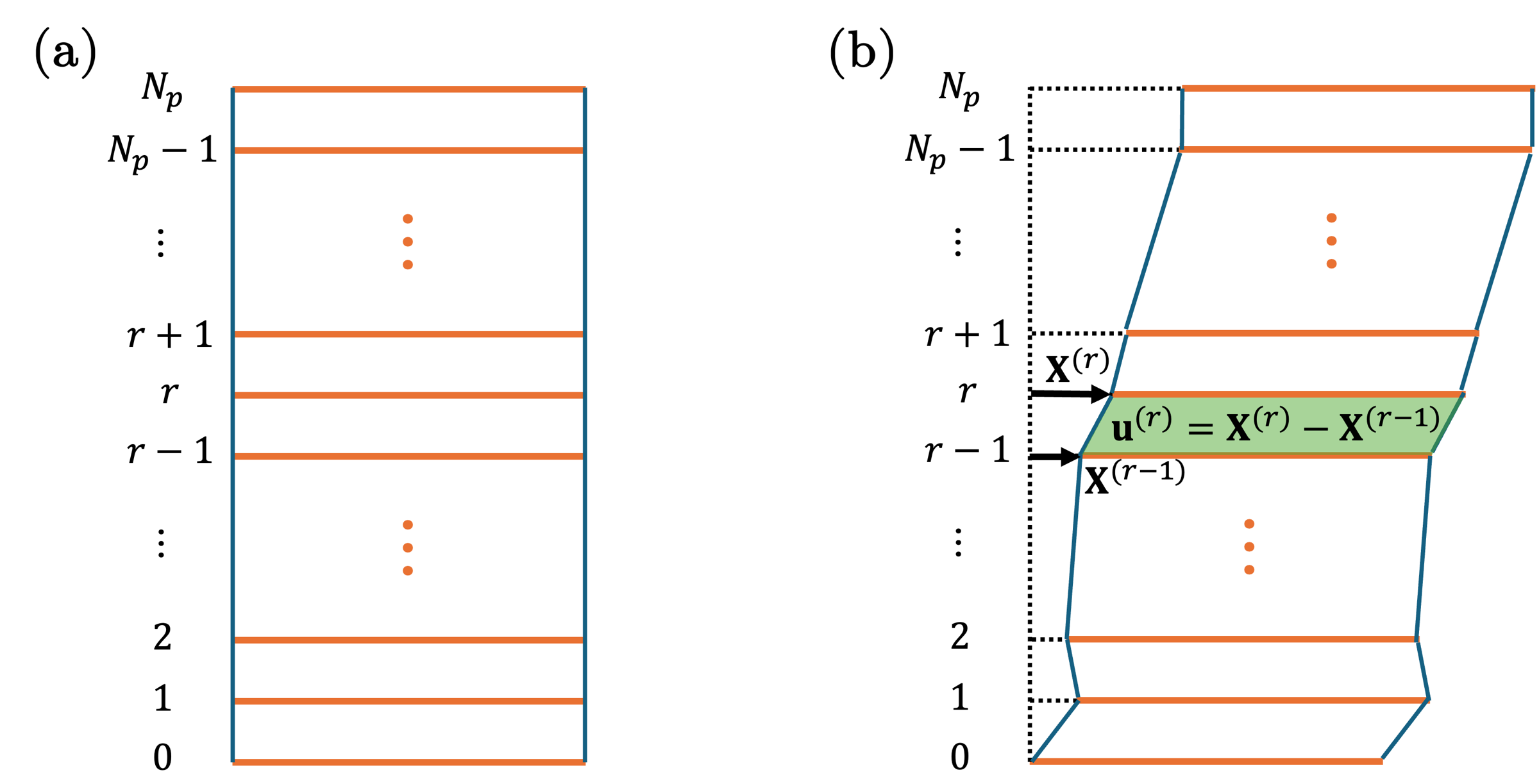 Interactions between neighboring atomic planes
Neighboring atomic planes move together. NN-MGSF learns their coupled energy; DFD combines its gradients with long-range elasticity to follow collective defect evolution.
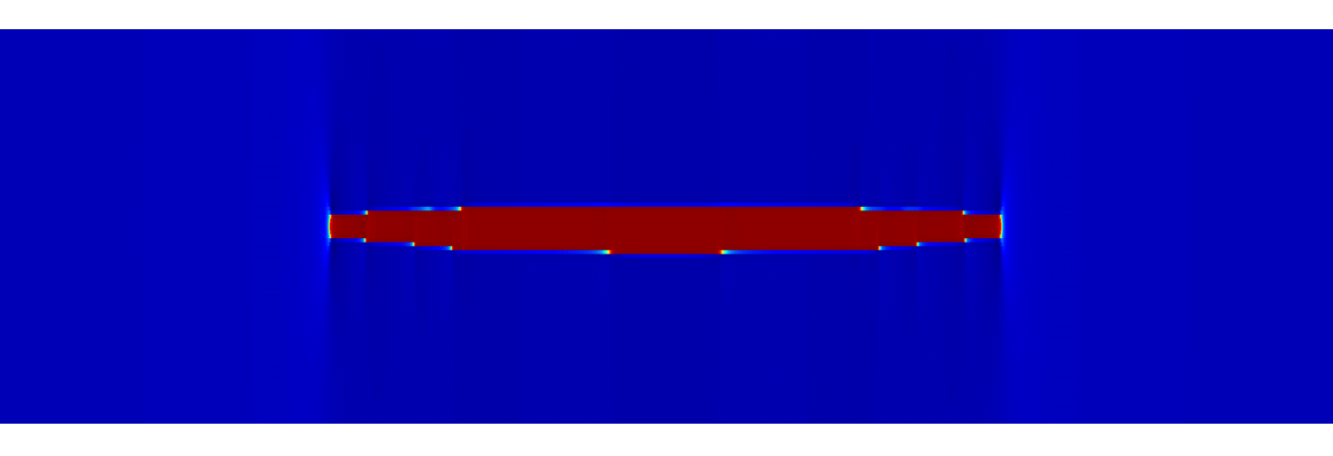
Local atomic energetics and long-range stress act together as twin boundaries move. The simulation makes collective growth visible, extending atom-informed modeling beyond isolated defects.
Learn the interactions that drive local slip.
Resolve how defects activate and interact.
Build a mechanistic basis for future deformation and property models.