Models & methods

The physics to understand. The AI to move faster.

Pair numerical computing with learned models to explore material behavior. Resolve the mechanisms, learn reusable responses, and bring prediction into the engineering workflow.

High-fidelity computing

Follow internal evolution. Solve the material response.

Follow how structures change, how defects move and how materials respond. GPU-accelerated computing helps explore more conditions and build data for Physics AI.

Run established numerical models faster.

Use spectral methods and GPU parallelism for repeated materials computation.

Explore accelerated computing →
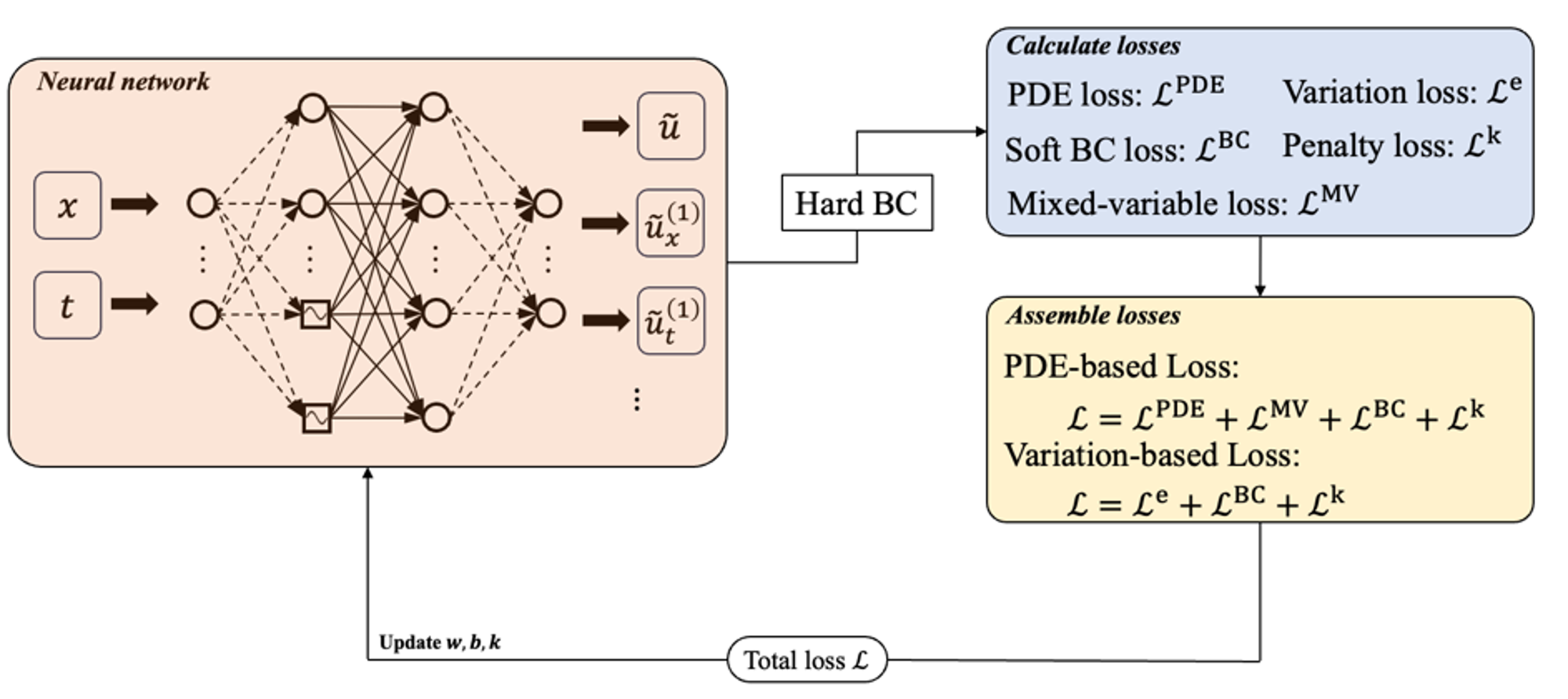
GPDNN field representation architecture
Related solver research

Neural fields grounded in physics

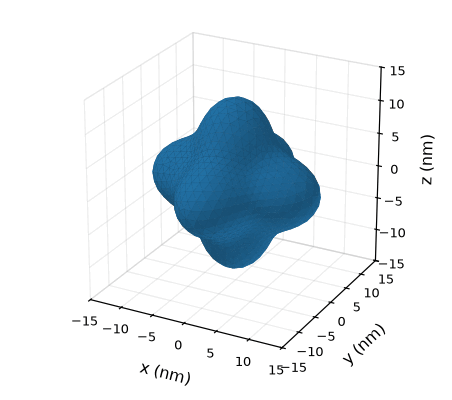
Resolve local fields around heterogeneous materials and imperfect interfaces.

Explore neural field solvers →
Physics AI models

Learn the response. Reuse the prediction.

Learn fields and evolving states from material and condition inputs, using data, physical constraints or both.

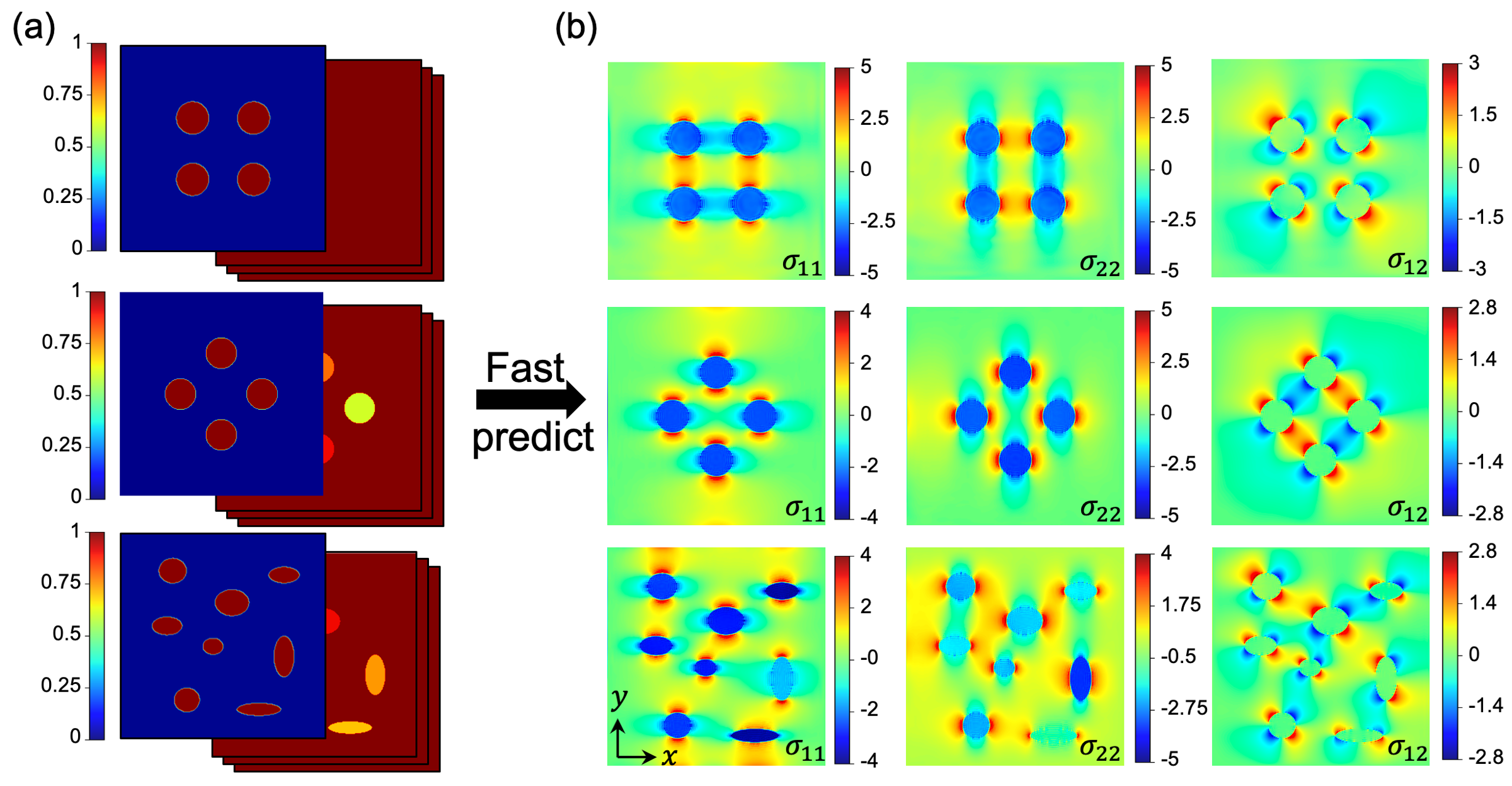
PDCO Physics-based training

Learn fields and evolution without solution labels.

Learn from physical laws to predict fields and evolution as material distributions or initial states change.

Material / initial fields → static fields and evolution

Explore the capability →
Original PDCO figure of inclusion configurations and stress fields Explore the capability ↗
MPTT Mesh-based prediction

Preserve interfaces. Work across meshes.

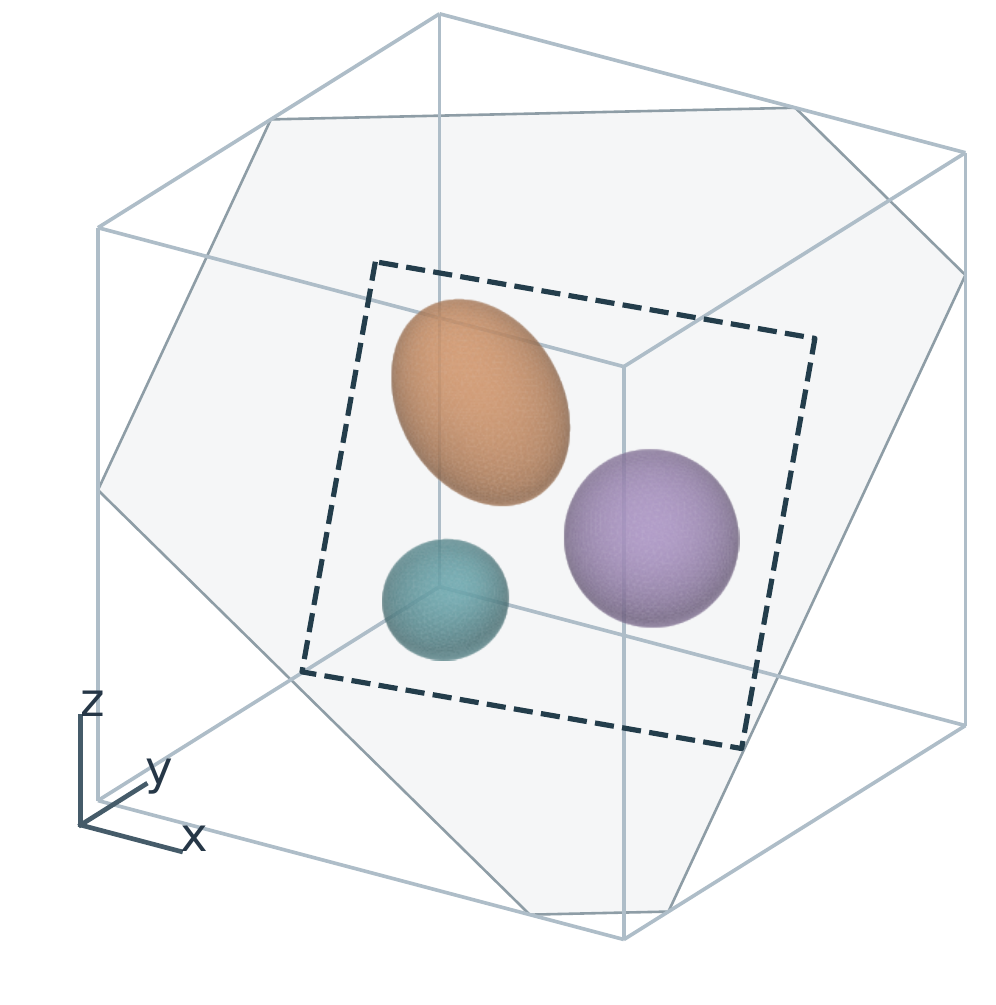
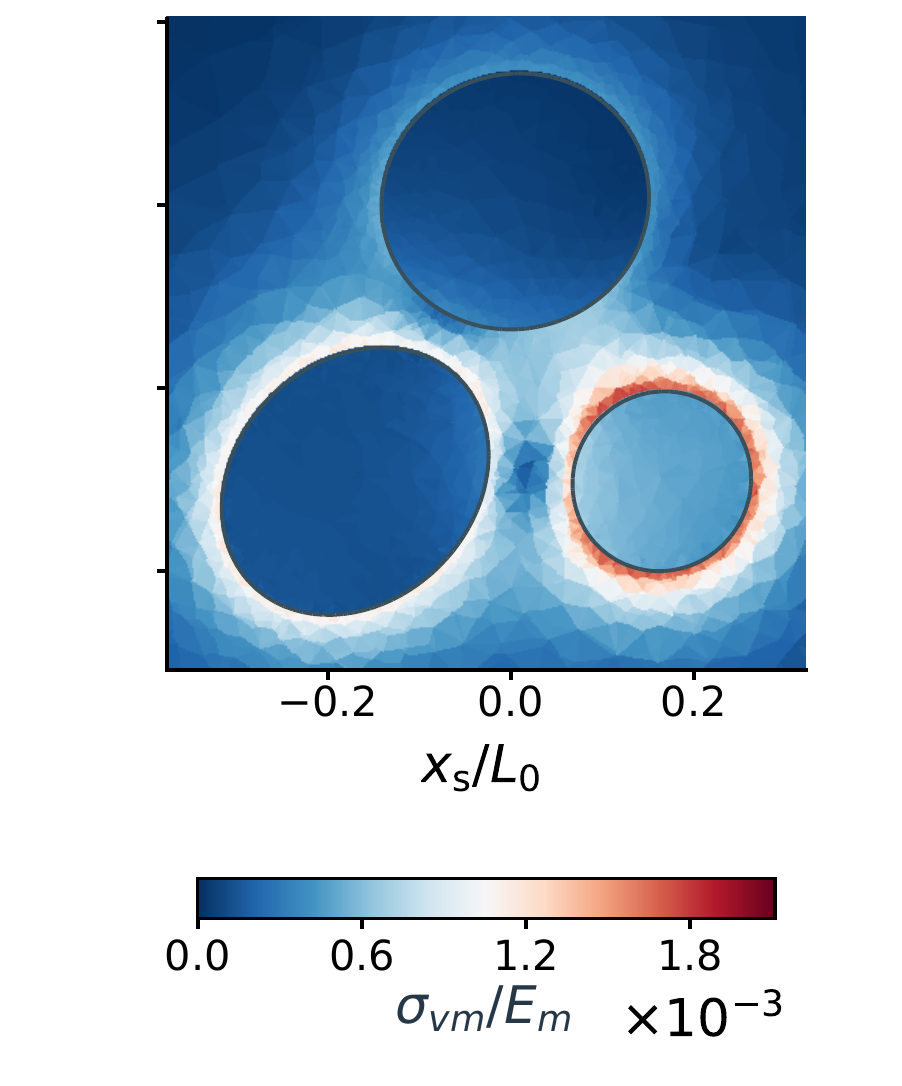
Connect interface detail and global fields. Predict across meshes, scale to large point sets, and use the model directly or alongside FEM.

Geometry / materials / conditions → mesh-based fields

Explore the capability →
Three-inclusion geometry and viewing sectionVon Mises stress prediction for the same geometry
Explore structural response ↗
Void evolution surrogate Space–time queries

Query an evolving boundary and its fields together.

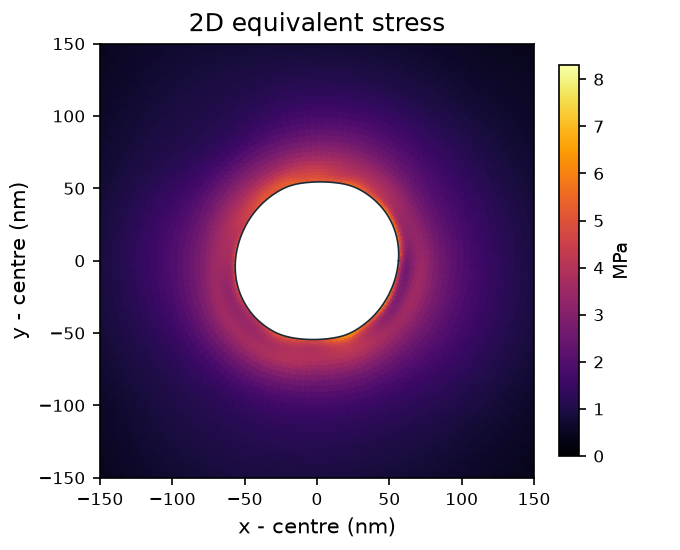
Direct space–time queries recover geometry and coupled fields in a two-dimensional single-void case.

Time / position → cavity boundary and coupled state

Explore the capability →
Predicted stress around the evolving cavity Explore the capability ↗

Prediction and numerical solution can work together.

Use a surrogate to initialize FEM, with numerical correction controlling solver accuracy. Bring data generation, learning and solver use into one workflow.

Explore prediction and solver use →

A cross-scale research case

Carry atomic-layer interactions into collective defect evolution.

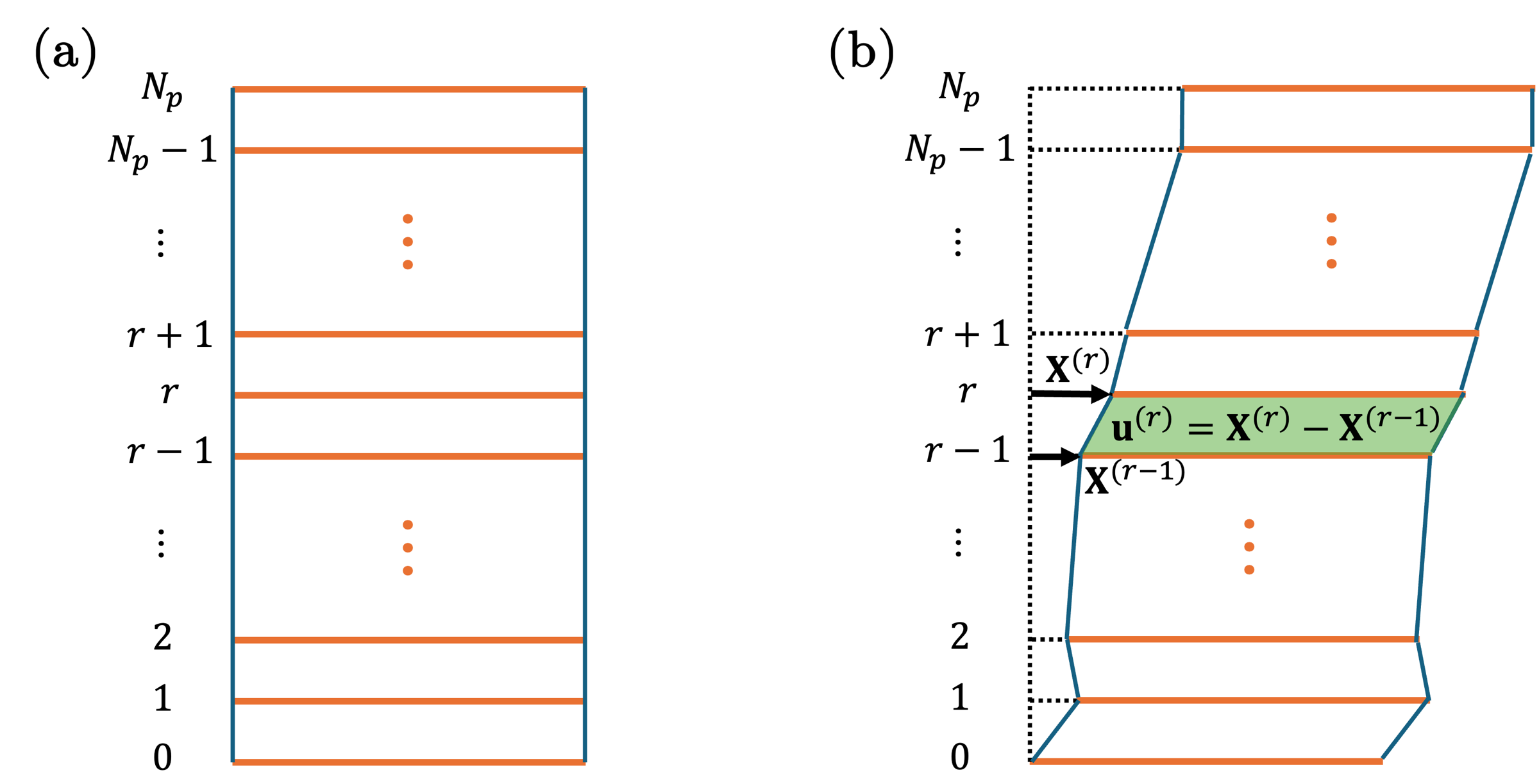
NN-MGSF learns coupled atomic-layer energy. DFD combines its gradients with long-range elasticity to study twin nucleation and growth. The case shows how a learned model and numerical evolution extend the scale of atom-informed calculation.
Explore the NN-MGSF / DFD case →
Multilayer atomic disregistry in NN-MGSF research Interactions between atomic layers