Surface diffusion

Numerical materials physics
Phase field · Finite elements · Dislocation dynamics · Diffusion
Follow grain restructuring, defect motion and cavity growth. Numerical models connect energy, mechanics and transport, providing insight into material behavior and data for Physics AI.
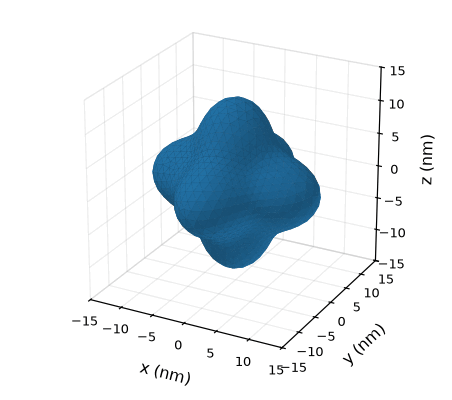 Three-dimensional cavity evolution
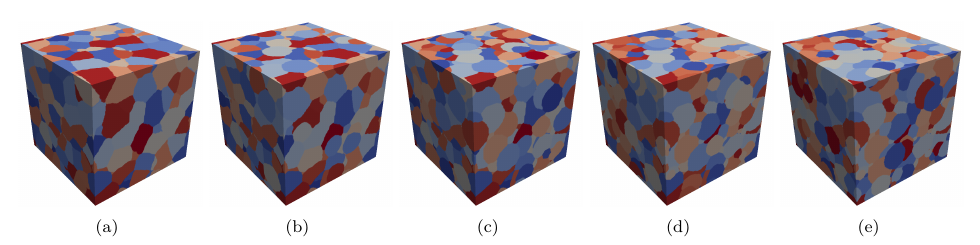
Coupled phase-field and crystal-plasticity models follow grain nucleation, growth and deformation together. They reveal how an evolving structure changes the material response.
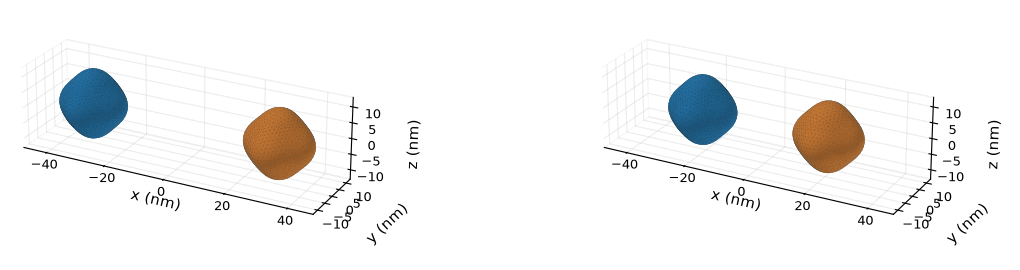
Diffusion and stress compete to reshape internal cavities. Finite-element models follow the moving boundary and reveal why different mechanisms produce different shapes.
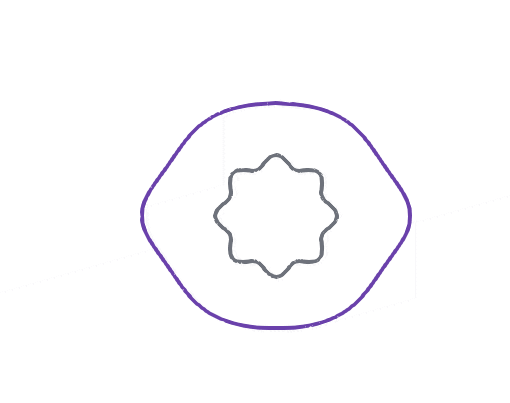
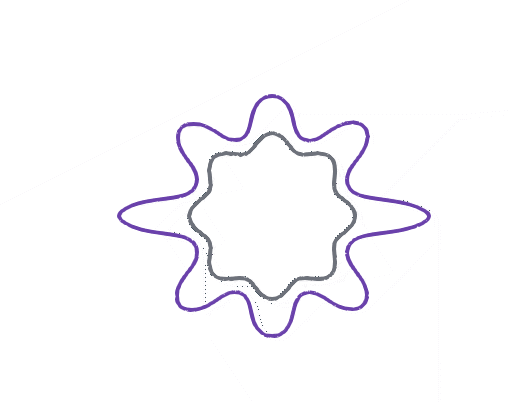
Three-dimensional FEM follows the entire cavity wall, revealing local smoothing and overall shape change. Explore how neighboring cavities interact.
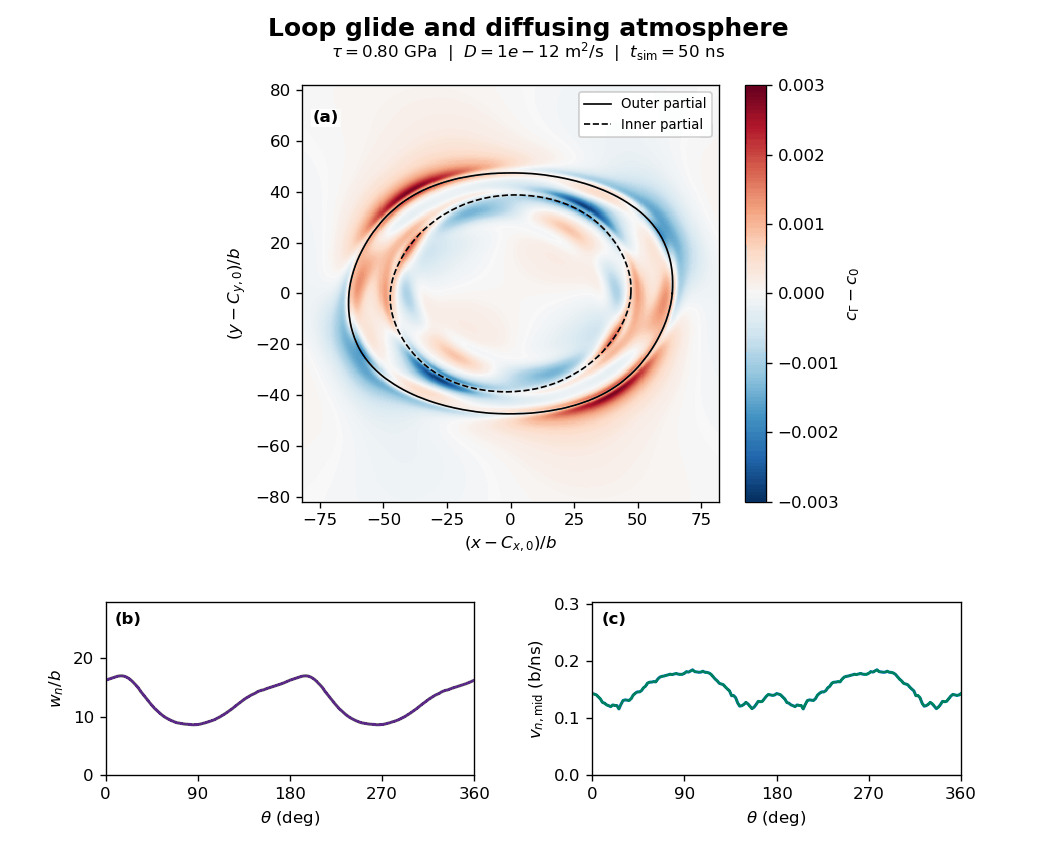
Solute redistribution changes the environment around a dislocation; the evolving defect changes transport in return. Coupled dynamics resolves both processes in the same material model.
GPU parallelism and efficient numerical kernels make repeated studies of defects, diffusion and microstructure more practical, while building data for Physics AI.
Compute defects, transport and changing structures.
Reuse numerical kernels across parameter studies.
Supply high-fidelity states for training and validation.