Direct prediction
Map materials, geometry and state directly to fields or evolving states for repeated exploration of related problems.
Explore phase-field prediction & speed →MPTT / Mesh-based field prediction
Interfaces, mesh transfer and scale
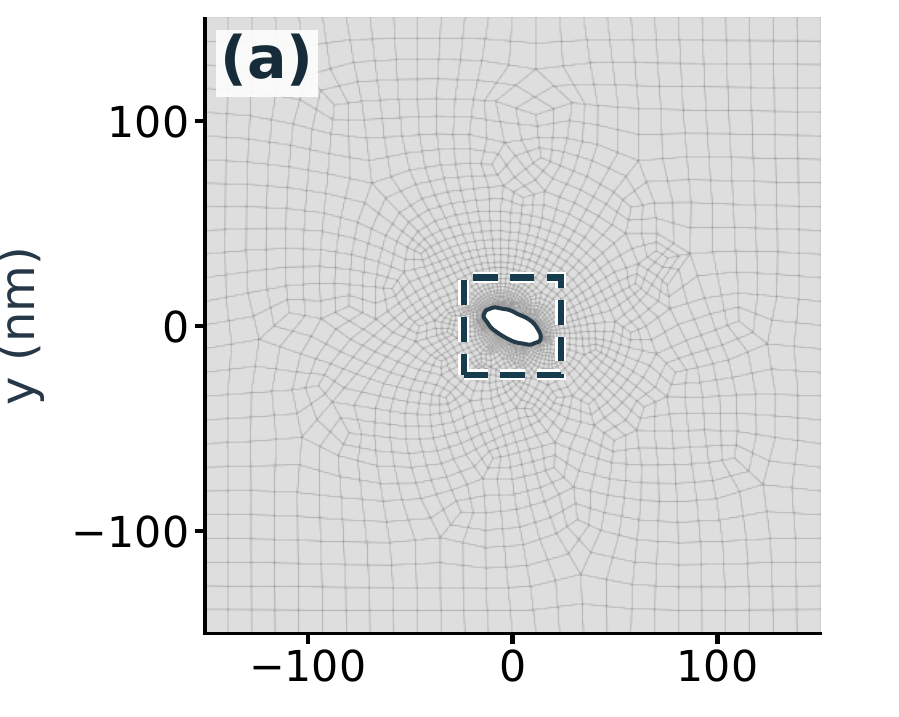
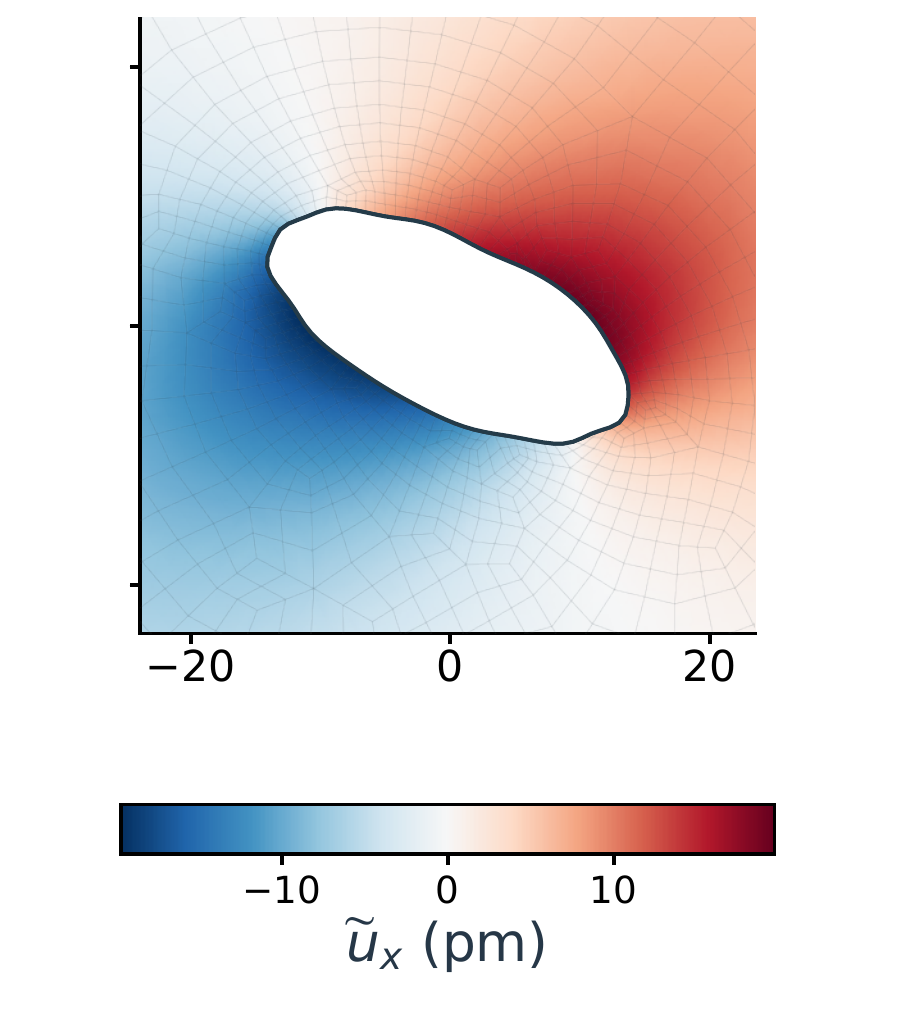
Interfaces and internal geometry change how a material carries load. MPTT predicts displacement, stress and evolving states across meshes, supporting direct prediction and FEM-assisted computation.
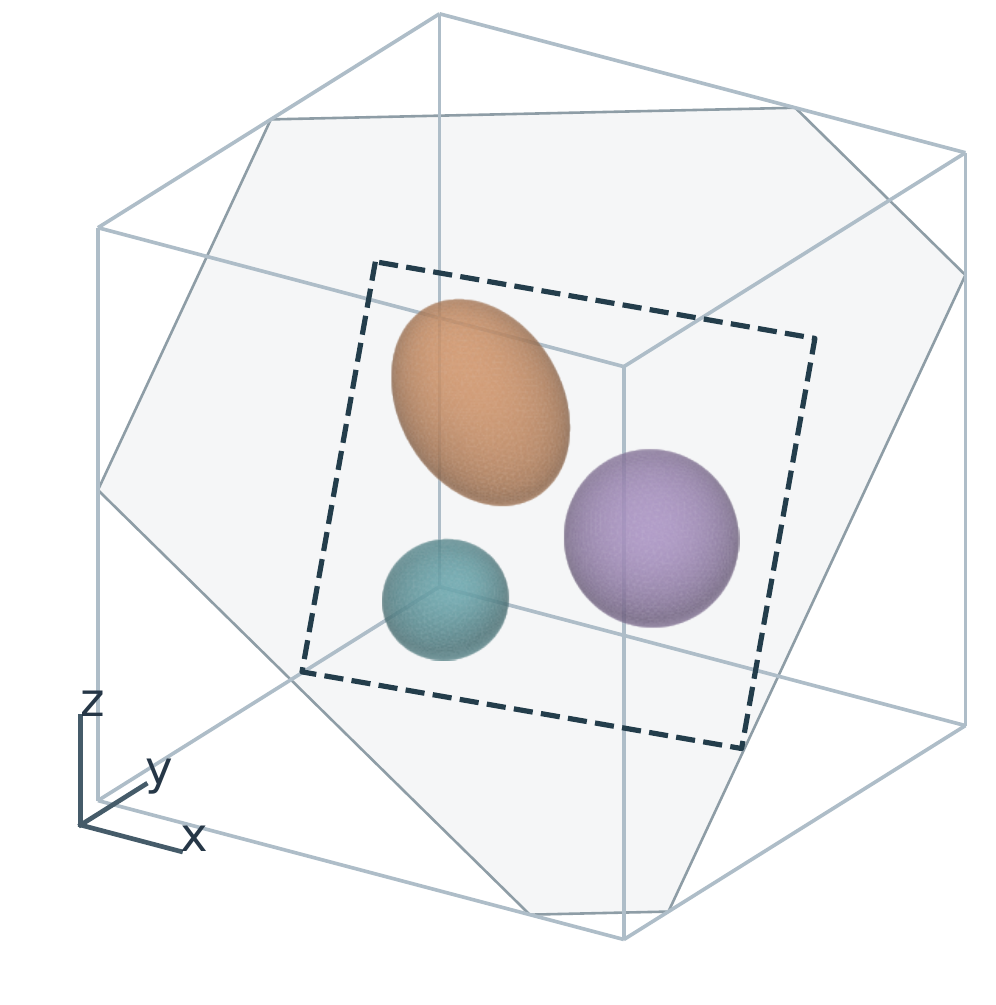
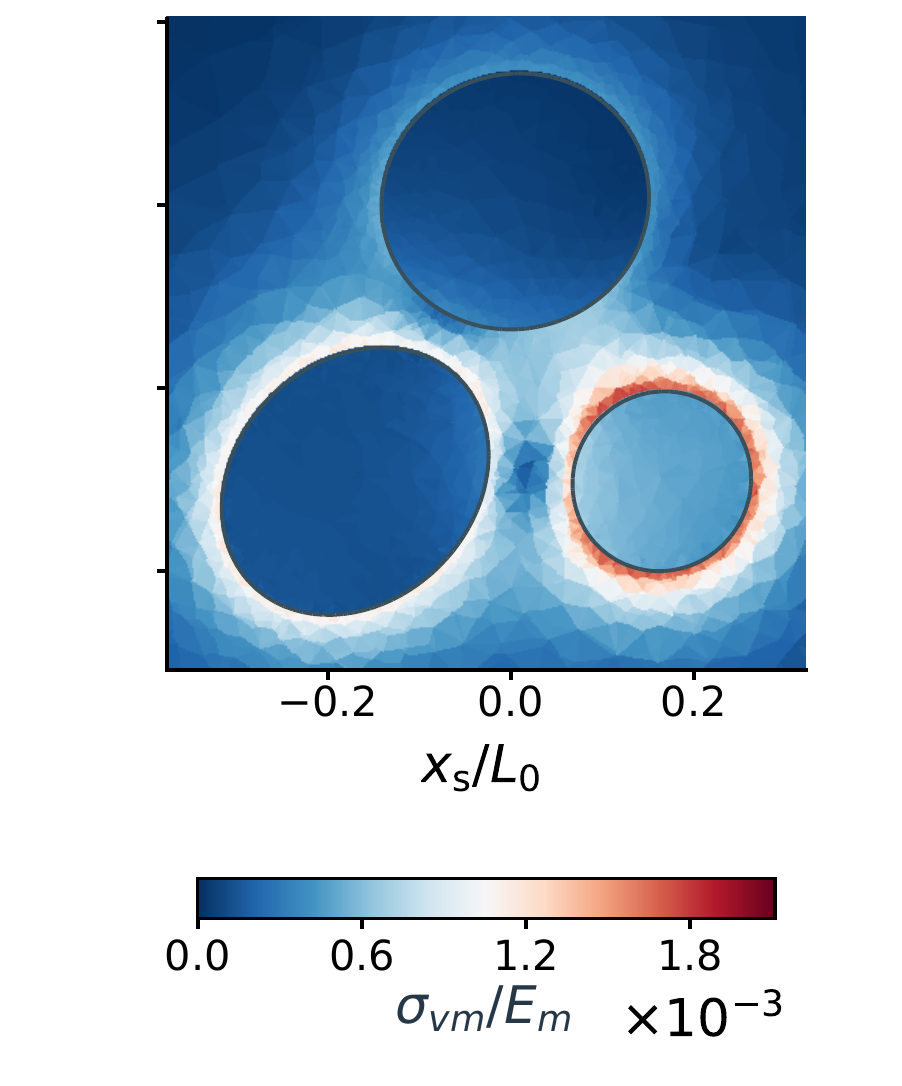
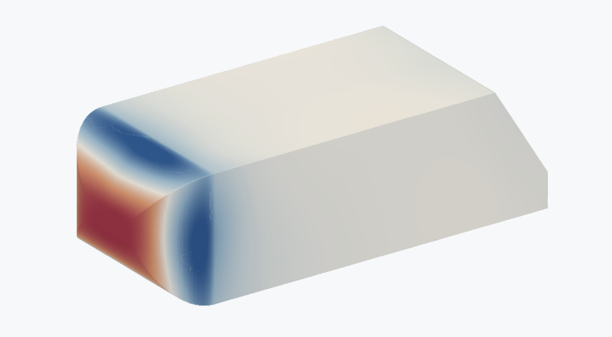
Material interfaces redirect load and concentrate stress. Explore the predicted fields as the internal structure changes.
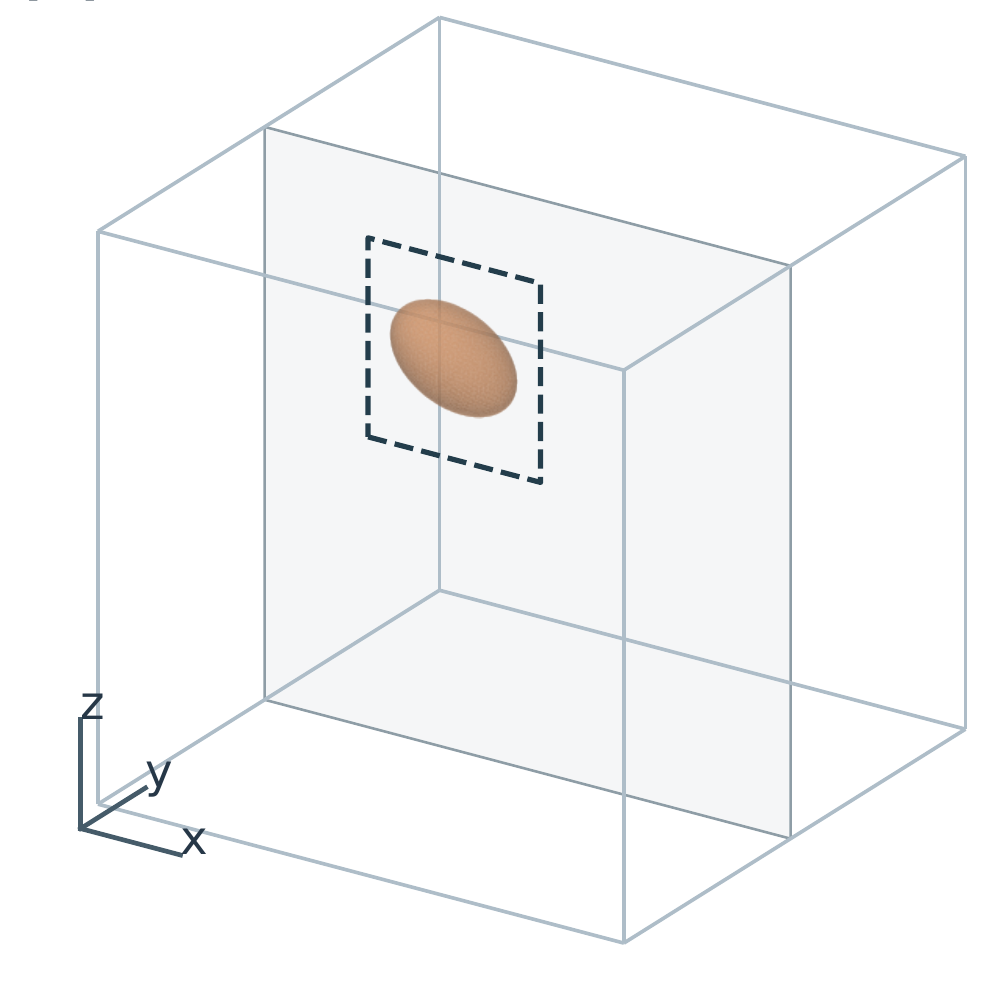
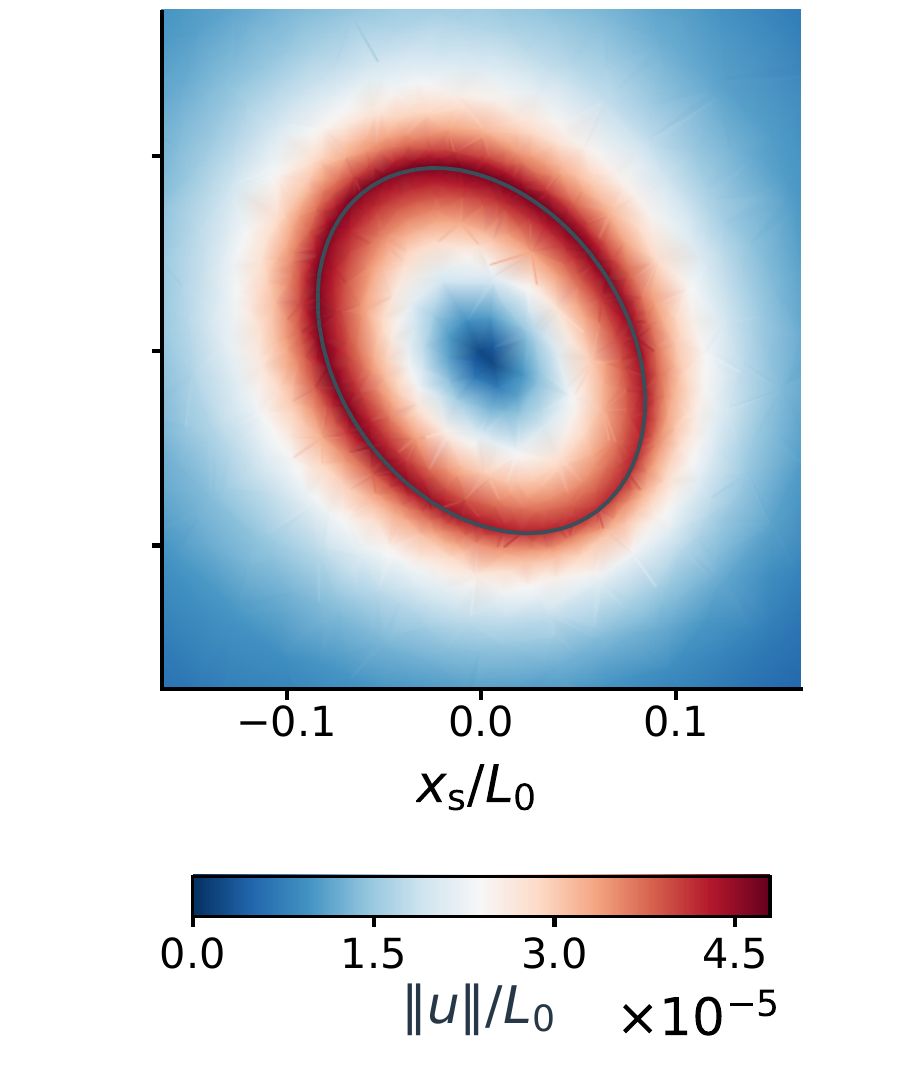
Explore the selected field
Reuse the trained model across mesh densities. The void study spans roughly ten thousand to three hundred thousand nodes.
Explore the selected field
One route supports fast queries; the other fits into an established numerical solver. Choose how to use the learned field according to the accuracy required by the task.
Map materials, geometry and state directly to fields or evolving states for repeated exploration of related problems.
Explore phase-field prediction & speed →Initialize FEM with a predicted field, then use numerical correction to retain solver accuracy and connect learned prediction to the engineering workflow.
Explore prediction with correction →64-step Allen–Cahn prediction: A100 surrogate versus single-core CPU FEM.
Explore the selected field
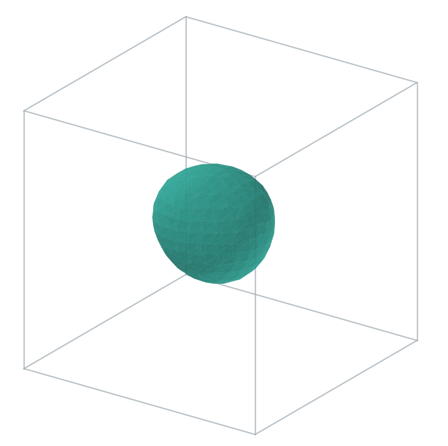
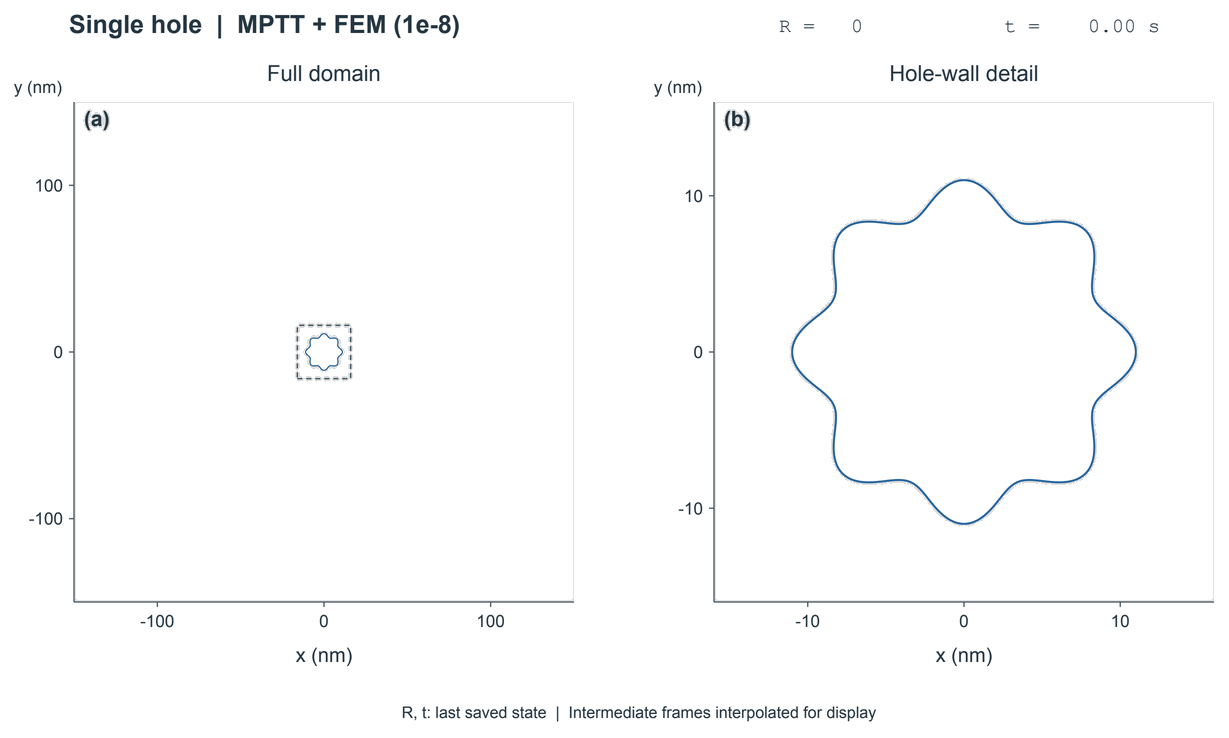
Let the surrogate and numerical solver work together as the cavity evolves. MPTT predicts the elastic state; FEM corrects it before the next evolution step.
Extend prediction from material meshes to large three-dimensional geometries. An Ahmed case reaches about 27.48 million volume points; surface-pressure fields reveal the response across complex shapes.

Explore the selected field